Source high temperature quartz plunger for glass, ceramic, and refractory uses
Compare 30 listings for high temperature quartz plunger components tailored for glass, ceramic, and refractory applications. Buyers can evaluate specifications, pricing, and customization options from verified suppliers in China.
Key considerations
Products List




Comprehensive Sourcing Guide
Strategic Sourcing Guide for High Temperature Quartz Plungers
Understanding Material Composition and Thermal Properties
When sourcing high-temperature quartz plungers, the primary focus must be on the material's intrinsic ability to withstand extreme thermal environments while maintaining dimensional stability. The core material for these components is often silica (SiO2), which provides exceptional thermal shock resistance and low thermal conductivity. In the context of high-performance applications, the refractoriness of the material is a critical metric. Buyers should verify that the selected quartz or silica-based components possess a refractoriness level that aligns with their specific process temperatures. Available data indicates that certain high-grade refractory materials in this category exhibit a refractoriness range between 1580°C and 1770°C, while others may be rated for temperatures up to 1600°C or even 1500°C depending on the specific formulation and density.
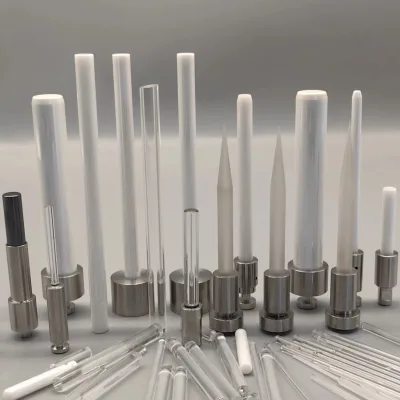
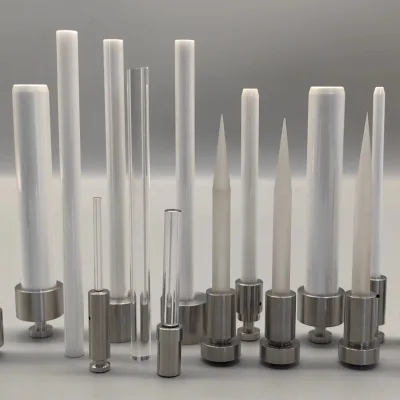
The physical form of the plunger is typically cylindrical, designed to fit precisely within pump mechanisms or high-temperature furnaces. The shape is often specified as a cylinder, and the surface finish is critical for operational longevity. Advanced manufacturing processes such as diamond-like polishing, CNC machining, and fine grinding are frequently employed to achieve the necessary surface smoothness. These secondary processes ensure that the plunger can operate with minimal friction and wear, even under the stress of high-temperature cycling. The density of these components is another vital specification; high-quality zirconia or alumina ceramics often cited in this sector can achieve densities over 5.95g/cm³, contributing to the overall mechanical strength required for demanding industrial applications.
Technical Specifications and Performance Metrics
Selecting the correct technical specifications is essential to prevent premature failure in high-temperature environments. The mechanical strength of the plunger must be robust enough to withstand the forces exerted during operation. Products in this category often boast high mechanical strength and good acid resistance, making them suitable for corrosive environments often found in glass manufacturing or chemical processing. The tolerance levels for these components are typically stringent, with outer diameter (OD) and inner diameter (ID) tolerances ideally maintained within 0.005mm to ensure a perfect fit and seal.
Thermal stability is paramount. The product must exhibit volume stability to prevent warping or cracking when subjected to rapid temperature changes. Features such as thermal shock resistance and low thermal conductivity are standard requirements for high-temperature quartz plungers. These properties allow the component to dissipate heat effectively without transferring excessive thermal energy to adjacent parts, which could compromise the integrity of the surrounding system. Furthermore, the color of the material, often white or transparent, can serve as a visual indicator of purity and material composition, though specific applications may require black or brown variants for aesthetic or functional reasons.
| Specification Category | Critical Attributes to Verify | Typical Performance Indicators |
|---|---|---|
| Material Composition | SiO2, Zirconia, Alumina, Sapphire | High purity, specific density (>5.95g/cm³) |
| Thermal Limits | Refractoriness, Max Working Temp | 1500°C to 1770°C range, Thermal Shock Resistance |
| Mechanical Properties | Strength, Tolerance, Hardness | OD/ID tolerance ~0.005mm, High Mechanical Strength |
| Chemical Resistance | Acid Resistance, Permeability | Good Acid Resistance, Low Permeability |
| Surface Finish | Polishing, Machining | Diamond-Like Polishing, Fine Grinding |
Compliance, Certification, and Regulatory Standards
In the B2B procurement landscape, compliance with international standards is non-negotiable, particularly for components operating in critical industrial sectors. Buyers must verify that suppliers adhere to recognized quality management systems. Certifications such as ISO9001:2008 are common benchmarks for quality assurance, ensuring that the manufacturing process is consistent and reliable. Additionally, environmental and safety compliance is crucial; certifications like RoHS and REACH indicate that the materials used do not contain restricted hazardous substances, which is vital for export markets and environmentally sensitive applications.
The standard for the product itself may vary based on customer requirements. While some manufacturers offer products that adhere to specific industry standards, many high-temperature components are produced according to custom requests. This flexibility allows for tailored solutions but requires the buyer to clearly define the necessary standards during the procurement phase. The origin of the product, often China, is a significant factor in the supply chain, and buyers should ensure that the place of origin aligns with their logistical and regulatory preferences. It is essential to request documentation proving that the specific batch of plungers meets the required certifications before finalizing the order.
Cost Drivers and Economic Considerations
The cost of high-temperature quartz plungers is influenced by several factors, including material purity, manufacturing complexity, and customization levels. The use of advanced materials like sapphire, ruby, or high-grade zirconia ceramics naturally commands a higher price point compared to standard silica variants. The precision required for these components, often involving tight tolerances and specialized surface treatments like diamond-like polishing, adds to the production cost. Furthermore, the customization of the product, including specific shapes, sizes, and standard specifications, can significantly impact the final price.
Minimum Order Quantities (MOQ) also play a role in the overall cost structure. While some suppliers may offer low MOQs starting from a single item or as low as 10 pieces, larger orders often benefit from economies of scale. The packaging method, such as wooden boxes or cartons, adds a layer of cost but is necessary to protect the fragile ceramic components during transit. Buyers should analyze the total cost of ownership, which includes not just the unit price but also the cost of potential downtime due to component failure. Investing in higher-quality, more durable plungers can reduce long-term maintenance costs and improve operational efficiency.
Supplier Evaluation and Sourcing Strategy
Evaluating potential suppliers requires a comprehensive approach that goes beyond price comparison. Buyers should look for suppliers who offer comprehensive customization support, including OEM, ODM, and OBM services. This capability indicates a supplier's ability to adapt to specific client needs, whether it involves modifying the product model, adjusting the standard, or creating unique packaging solutions. The brand reputation and the specific location of the manufacturing facility, such as Chongqing, China, can also be indicators of the supplier's expertise and logistical capabilities.
When assessing suppliers, it is crucial to verify their production capacity and lead times. While specific lead times may vary, buyers should ensure that the supplier can meet their timeline requirements without compromising quality. The availability of customization, such as adjustable product models and standards, is a strong indicator of a supplier's flexibility. Additionally, the supplier's ability to provide detailed product information, including single package sizes and gross weights, demonstrates a commitment to transparency and professionalism. Buyers should prioritize suppliers who can provide clear documentation regarding their materials, processes, and quality control measures.
Quality Control and Long-Term Procurement Considerations
Implementing a robust quality control (QC) protocol is essential for ensuring the reliability of high-temperature quartz plungers. Buyers should insist on rigorous testing procedures that verify the material's refractoriness, mechanical strength, and dimensional accuracy. The use of advanced shaping methods, such as dry pressing, ISO pressing, and hot pressing, should be confirmed to ensure the structural integrity of the final product. Regular audits of the supplier's manufacturing processes can help identify potential issues before they impact the supply chain.
Long-term procurement considerations involve building a sustainable relationship with suppliers who can consistently deliver high-quality products. This includes establishing clear communication channels for addressing any quality issues that may arise. The ability of the supplier to provide customized support, such as specific product names or models, ensures that the procurement process remains flexible and responsive to changing market demands. Furthermore, buyers should consider the environmental impact of the products and the supplier's commitment to sustainable practices. By focusing on these long-term factors, buyers can secure a reliable supply of high-temperature quartz plungers that meet their operational needs while minimizing risks associated with supply chain disruptions.
FAQs
What materials are used for high temperature quartz plungers?
These plungers are primarily made from silica (SiO2), zirconia ceramic, or sapphire. Some variants also include alumina ceramics and stainless steel to ensure high mechanical strength and thermal stability for demanding industrial applications.
How is the surface finish achieved on these ceramic parts?
Manufacturers use diamond-like polishing combined with CNC machining and fine grinding to achieve the required smoothness. This process ensures tight tolerances, typically within 0.005mm, for optimal performance in pump mechanisms.
Which certifications should I verify for these ceramic components?
Look for products certified under RoHS, REACH, and ISO9001:2008 standards. These certifications confirm that the materials are free from hazardous substances and that the manufacturing process adheres to strict quality management systems.
Can I request custom specifications for these refractory parts?
Yes, customization is available for product models, standards, and shapes. Suppliers often accept OEM, ODM, and OBM requests to tailor dimensions, colors, and performance features like refractoriness to specific customer requirements.
What is the typical minimum order quantity for these items?
The minimum order quantity can range from 1 to 100 pieces depending on the supplier. Some vendors offer low MOQs starting at 10 pieces, while others may require larger volumes for specific custom configurations.
How do these plungers withstand high thermal shock?
They are engineered with high refractoriness and low thermal conductivity to resist rapid temperature changes. Features like volume stability and good acid resistance ensure durability in glass manufacturing and other high-temperature environments.
Where are these high temperature ceramic parts typically manufactured?
Most products originate from China, with specific manufacturing hubs like Chongqing noted in supplier data. Buyers should verify the place of origin to align with their logistical and regulatory preferences for international procurement.